The refrigerant in an air conditioning system plays a crucial role in determining its overall performance and efficiency. It is the substance responsible for absorbing heat from indoor air and releasing it outside, thereby cooling the living space. The type, condition, and amount of refrigerant directly influence how well an AC unit operates. When the refrigerant is at optimal levels and properly maintained, the system can effectively transfer heat and maintain desired temperatures with minimal energy consumption.
Different types of refrigerants have varying properties that affect cooling capacity, environmental impact, and compatibility with specific AC models. Older systems often use R-22 refrigerant, which has been phased out due to its ozone-depleting characteristics. Modern air conditioners typically use alternatives like R-410A or newer blends designed to be more environmentally friendly while providing efficient thermal performance. Choosing learn the key points correct refrigerant ensures that the compressor works within its intended pressure range, preventing undue wear or failure.
If there is a leak or insufficient amount of refrigerant in your system, several issues may arise that reduce cooling effectiveness. Low refrigerant levels cause inadequate heat absorption during evaporation inside the indoor coil. This results in warmer indoor temperatures as less cool air circulates through the ducts. Additionally, running an AC with low refrigerant forces the compressor to work harder to compensate for reduced cooling capacity, leading to increased energy bills and potential mechanical damage over time.
On the other hand, too much refrigerant can also harm your AC’s functionality by raising pressures beyond safe operating limits. Excessive pressure stresses components such as valves and seals which may lead to leaks or breakdowns if not addressed promptly. Proper charging by a trained technician ensures that your system contains just enough refrigerant for peak performance without risking damage.
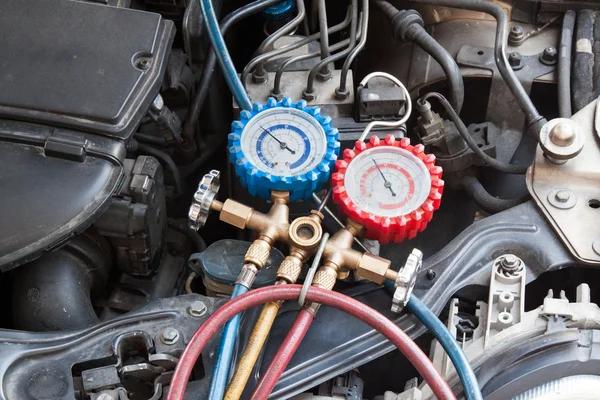
Regular maintenance checks are essential for monitoring refrigerant levels and detecting leaks early before they escalate into costly repairs or complete system failures. Technicians use specialized equipment to measure pressures within different parts of the refrigeration cycle to confirm proper charge status according to manufacturer specifications.
In summary, maintaining appropriate types and amounts of refrigerants significantly affects how efficiently your air conditioner cools your home while preserving its longevity and reducing energy costs. Neglecting this critical aspect can result in diminished comfort due to poor temperature control alongside higher utility expenses caused by inefficient operation. Therefore, understanding how refrigerants function within your AC system helps ensure reliable performance throughout hot seasons when effective cooling matters most.