
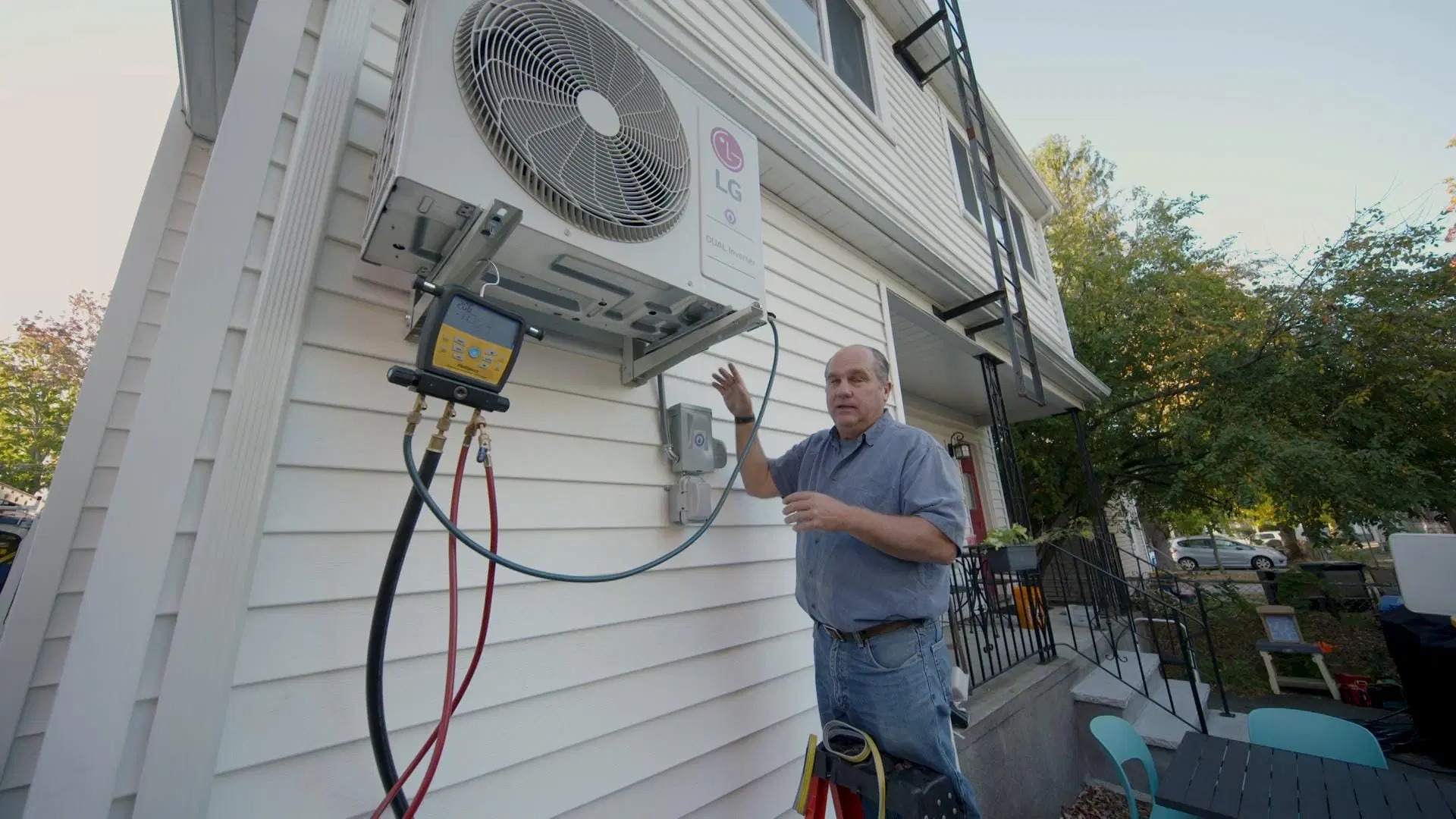
Selecting the appropriate size window air conditioning unit is crucial for achieving optimal cooling efficiency and maintaining comfort in your space. An undersized unit will struggle to cool the room effectively, running continuously without reaching the desired temperature. This not only leads to discomfort but also increases energy consumption and wear on the appliance. Conversely, an oversized unit cools too quickly without adequately removing humidity, resulting in a cold yet clammy environment that feels unpleasant. Therefore, finding a balance by choosing the right capacity based on room dimensions and other factors ensures both comfort and energy savings.
The primary factor to consider when sizing a window ac unit is the square footage of the area you intend to cool. Manufacturers usually provide guidelines correlating BTU (British Thermal Units) ratings with room size. For example, spaces up to 150 square feet typically require units rated around 5,000 BTUs, while larger rooms need more powerful units accordingly. However, relying solely on square footage can be misleading if other variables are not accounted for.
Ceiling height plays a significant role because taller rooms have greater volume requiring more cooling power than standard eight-foot ceilings. Sun exposure is another important consideration; rooms receiving direct sunlight throughout much of the day demand higher capacity units due to increased heat gain through windows and walls. Similarly, poorly insulated spaces or those with many electronic devices generating heat may necessitate adjustments upward from basic recommendations.
Occupancy levels impact cooling needs as well since each person adds body heat that must be offset by additional BTUs per hour. If multiple people regularly occupy a room or it serves as a gathering place like living rooms or dens, selecting an AC with extra capacity helps maintain comfort during peak usage times.
Energy efficiency ratings such as EER (Energy Efficiency Ratio) should influence purchasing decisions alongside size considerations. A properly sized unit combined with high efficiency reduces electricity costs over time while minimizing environmental impact.
Installation location affects performance; ensuring unobstructed airflow around the outdoor portion of the window AC improves effectiveness and prolongs equipment life.
In summary, accurately measuring your space’s dimensions including ceiling height, evaluating sun exposure patterns and insulation quality, estimating typical occupancy levels, and reviewing energy efficiency data allows you to choose an appropriately sized window air conditioner that delivers maximum comfort at minimal operating cost. Taking these factors into account prevents issues associated with improper sizing like excessive noise from frequent cycling or inadequate humidity control while optimizing overall system performance for years of reliable use.