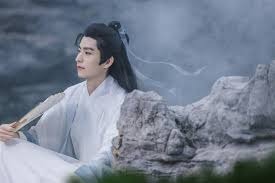
Wearing a men’s hanfu for festivals and special events is a wonderful way to embrace cultural heritage while making a stylish statement. Hanfu, the traditional clothing of the Han Chinese people, has seen a resurgence in popularity due to its historical significance and aesthetic appeal. When wearing this elegant attire, it is important to understand how to properly style and present it for various occasions.
First and foremost, selecting the right type of hanfu is crucial. There are different styles suited for various occasions, such as casual gatherings or formal ceremonies. For festivals and special events, opt for more elaborate designs that feature intricate embroidery or luxurious fabrics like silk. The colors chosen should reflect the nature of the event; vibrant hues work well for festive celebrations, while more subdued tones may be appropriate for solemn occasions.
Once you have selected your hanfu male, focus on achieving an accurate fit. Traditional hanfus are typically loose-fitting with flowing lines that allow freedom of movement while maintaining elegance. Ensure that the length of both the top garment (often referred to as “pao” or “shan”) and lower garment (such as “qun” or “ku”) suits your height without dragging on the ground excessively.
Proper layering is key when assembling your hanfu ensemble. Start with an inner shirt made from breathable fabric to provide comfort against your skin. Over this base layer, wear a middle garment if necessary—this could be another simple robe or vest depending on temperature needs—and finally top everything off with an outer robe featuring wider sleeves which add drama through their graceful drape.
Accessories play a significant role in completing any festival-ready look involving men’s hanfus: hats like traditional caps (“jin”) can lend authenticity; belts cinch waists neatly together adding structure whilst allowing roominess underneath; shoes should complement rather than clash—simple black cloth footwear often works best since they keep attention focused upwards towards intricate details above waistline level instead distracting down below feet area unnecessarily so!
Grooming also matters greatly when donning such culturally rich attire: hairstyles traditionally worn by ancient scholars serve inspiration here – consider tying hair into neat bun atop head secured using pins crafted ornate metals perhaps matching those used elsewhere within outfit itself thereby creating cohesive visual harmony throughout entire appearance overall effect being one polished sophistication yet understated elegance simultaneously achieved effortlessly seemingly almost magically somehow defying time-space continuum altogether maybe even transcending reality momentarily transporting wearer back centuries long gone past but certainly not forgotten ever again thanks revival efforts modern-day enthusiasts worldwide today keeping tradition alive thriving once more anew!