When considering a house extension, one of the most important decisions revolves around choosing the right type of roof. The two primary options are flat roofs and pitched roofs, each offering distinct advantages and challenges. Understanding these differences can help homeowners make an informed choice that suits their aesthetic preferences, budget, and functional needs.
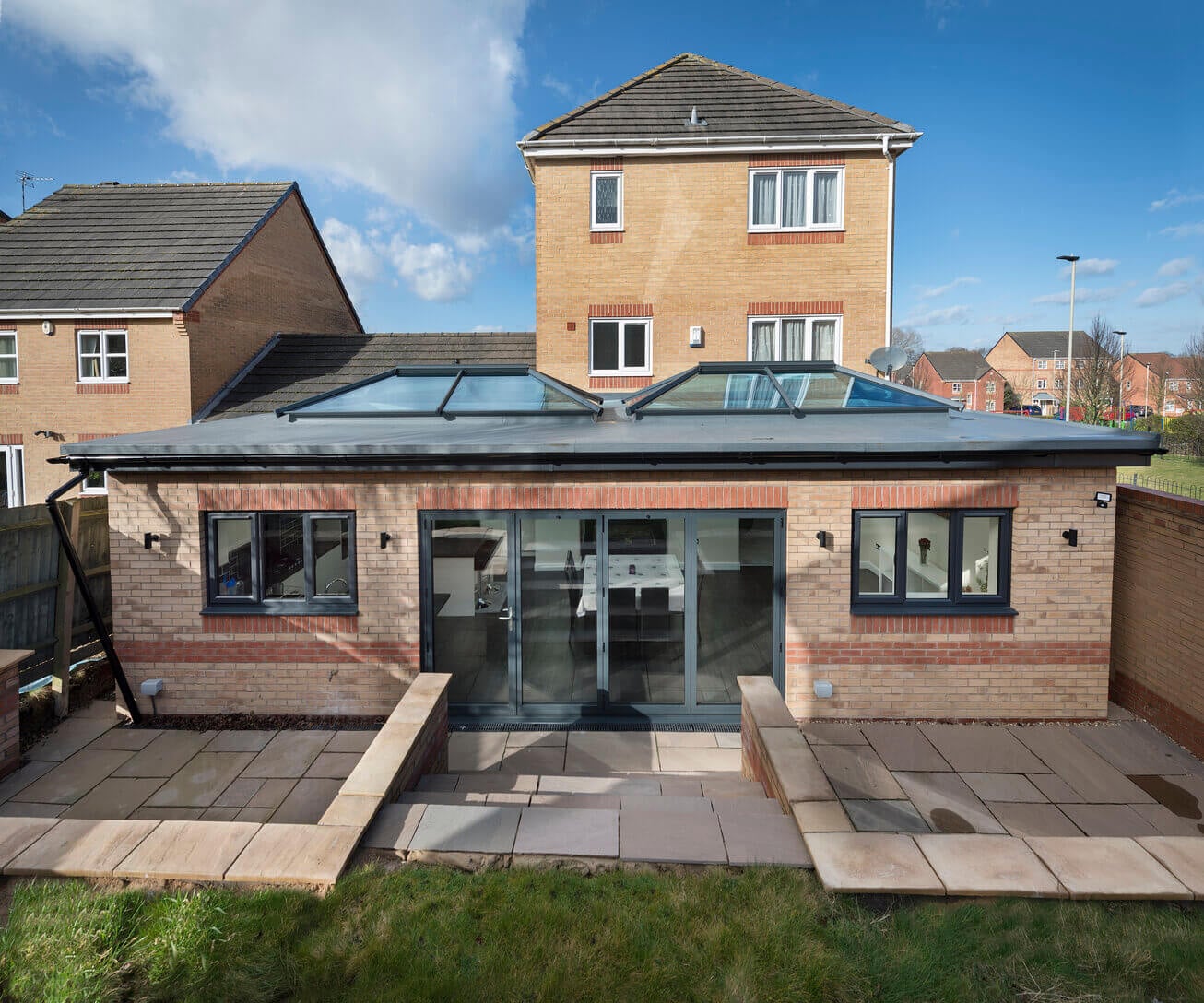
Flat roofs have gained popularity in modern architecture due to their sleek, minimalist appearance. They provide a contemporary look that complements many new builds and extensions. One of the key benefits of a flat roof is its cost-effectiveness; generally, flat roofs require fewer materials and less labor compared to pitched roofs, making them a more affordable option best roof for house extension many homeowners. Additionally, flat roofs offer practical advantages such as easy access for maintenance and the potential to create additional usable space on top-such as a rooftop garden or terrace-which can be particularly valuable in urban areas where outdoor space is limited.
However, flat roofs do come with some drawbacks. Their design means water drainage relies heavily on proper installation of waterproof membranes and slight slopes to prevent pooling water. Without adequate drainage systems, flat roofs may be prone to leaks or water damage over time. Moreover, depending on the climate, insulation requirements might be higher to maintain energy efficiency since heat can escape more readily through flatter surfaces.
Pitched roofs are traditional in residential construction and feature sloping surfaces that facilitate natural water runoff. This characteristic significantly reduces the risk of leaks or standing water issues common with flat designs. Pitched roofs also tend to have better longevity due to their effective weather resistance against rain, snow, and wind. From an aesthetic perspective, pitched roofs often enhance curb appeal by adding character and architectural interest to a home’s exterior.
On the downside, pitched roof extensions typically involve higher costs because they require more complex framing structures and additional materials like tiles or shingles. They may also limit interior headroom beneath the slope unless designed carefully with dormers or vaulted ceilings.
Ultimately, deciding between a flat or pitched roof depends on various factors including style preference, budget constraints, local climate conditions, planning regulations in your area (which might restrict certain roof types), as well as how you intend to use your extension space both inside and out.
For those seeking modern aesthetics combined with affordability-and who don’t mind regular maintenance-a well-constructed flat roof could be ideal. Conversely, if durability against harsh weather conditions along with classic looks is paramount-and you’re prepared for potentially higher costs-a pitched roof may be worth investing in.
In conclusion, both roofing styles have merits suited for different scenarios when extending your home. Consulting experienced architects or builders can provide tailored advice ensuring your chosen roof not only enhances your property visually but also performs effectively throughout its lifespan.