
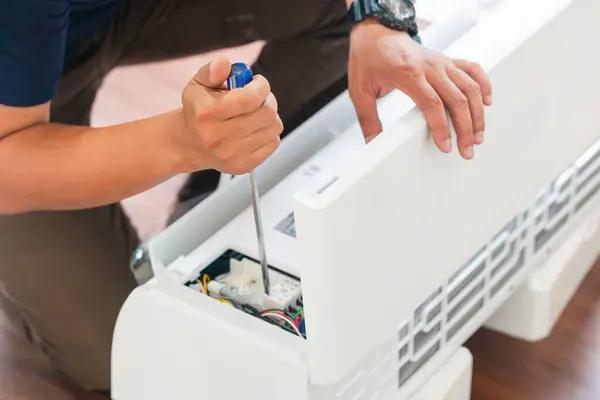
Refrigeration engineering has undergone significant advancements in recent years, driven by the increasing demand for more efficient, sustainable, and technologically advanced cooling systems. As the world grapples with climate change and energy conservation challenges, modern refrigeration solutions are playing a pivotal role in reducing environmental impact while meeting the growing needs of various industries.
One of the most notable advancements in refrigeration engineering is the development of environmentally friendly refrigerants. Traditional refrigerants like chlorofluorocarbons (CFCs) and hydrochlorofluorocarbons (HCFCs) have been phased out due to their ozone-depleting properties. In response, engineers have introduced hydrofluoroolefins (HFOs) and natural refrigerants such as ammonia, carbon dioxide, and hydrocarbons. These alternatives offer lower global warming potential (GWP), making them more sustainable choices for modern cooling systems.
Another key advancement is the integration of smart technologies into refrigeration systems. The Internet of Things (IoT) has enabled real-time monitoring and control over cooling processes through connected devices and sensors. This connectivity allows for predictive maintenance, optimizing system performance by identifying potential issues before they escalate into costly failures. Moreover, IoT-enabled systems can adjust cooling loads based on demand fluctuations, further enhancing energy efficiency.
Energy efficiency remains a top priority in modern Refrigeration Engineering. Innovations such as variable speed compressors and advanced heat exchangers have significantly improved system performance while reducing energy consumption. Variable speed compressors allow for precise temperature control by adjusting compressor speed according to load requirements rather than operating at full capacity continuously. Advanced heat exchangers improve thermal transfer rates by utilizing materials with superior conductivity or innovative design geometries that enhance surface area contact between fluids.
Additionally, advances in insulation materials contribute to enhanced energy efficiency by minimizing thermal losses within refrigerated spaces. Vacuum insulation panels (VIPs), aerogels, and phase change materials are examples of cutting-edge insulation technologies that offer superior thermal resistance compared to traditional options like polyurethane foam or fiberglass.
The adoption of renewable energy sources also marks a significant shift towards sustainability in refrigeration engineering practices today; solar-powered chillers harnessing photovoltaic technology provide an eco-friendly alternative capable not only reducing carbon emissions but also lowering operational costs associated with electricity usage from conventional power grids during peak hours when demand typically surges across regions worldwide simultaneously impacting prices negatively against consumers’ interests long term overall economically speaking too!
In conclusion: Through innovations such as eco-friendly refrigerants coupled alongside IoT integration smart controls & optimization techniques plus utilization renewables together collectively represent future-forward approach addressing both environmental concerns industry demands alike ensuring continued progress toward achieving sustainable goals globally moving forward effectively efficiently ultimately benefiting society whole!
Refrigeration Engineering
2121 Floyd Blvd, Sioux City, IA 51104
712-938-1019