Solar energy installations have become increasingly popular as a sustainable and cost-effective solution for power generation. However, to ensure safety, efficiency, and compliance with regulations, every installer must adhere to specific requirements during the installation process. These requirements are designed to protect both the installer and the end user while maximizing the performance of the solar system.
One of the primary considerations is site assessment. Before beginning any installation, an installer must evaluate the location thoroughly. This involves checking roof orientation, shading from nearby structures or trees, and structural integrity to support solar panels. Proper site evaluation ensures that panels receive optimal sunlight exposure throughout dive into the details day and that mounting systems will remain secure over time.
Electrical codes represent another critical area installers must follow meticulously. Solar installations involve complex electrical connections that require strict adherence to national and local electrical standards such as the National Electrical Code (NEC) in many countries. Compliance includes using appropriate wiring sizes, grounding techniques, circuit protection devices like fuses or breakers, and ensuring safe inverter connections to prevent hazards like electric shock or fire.
Permitting is also essential before any installation can commence legally. Installers need to obtain all necessary permits from local authorities or utility companies depending on jurisdictional requirements. This process often involves submitting detailed plans illustrating system specifications including panel types, inverter models, wiring diagrams, and mounting details for approval prior to work starting.
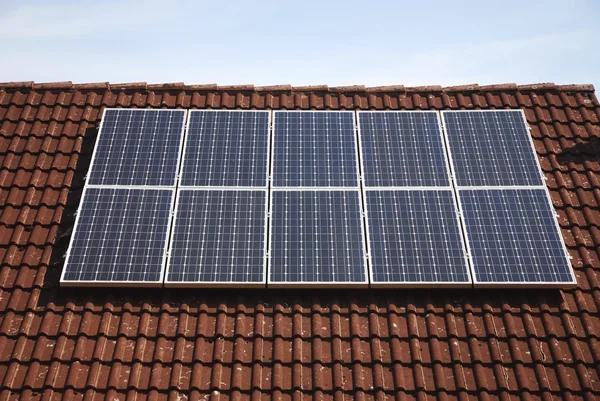
Mounting systems for solar panels must meet manufacturer guidelines as well as local building codes related to wind loads and seismic activity where applicable. Installers should use corrosion-resistant materials suitable for environmental conditions at the site while securing panels firmly without damaging roofing materials or compromising waterproofing layers.
Proper labeling of components within a solar array is required by most regulatory bodies too. Labels indicating voltage ratings, DC disconnect locations, rapid shutdown capabilities if mandated by law help emergency responders identify potential risks quickly during incidents such as fires.
Additionally, installers are responsible for performing thorough testing upon completion of installation work before activating systems fully into operation. Testing procedures include verifying correct polarity on all circuits; measuring voltage output under different lighting conditions; confirming inverter functionality; checking grounding continuity; inspecting junction boxes; validating communication between monitoring equipment if installed; ensuring no physical damage has occurred during setup.
Documentation plays a vital role in meeting these standards since accurate records provide evidence of compliance with regulations along with warranty claims support later on if needed by customers or manufacturers alike.
By following these comprehensive requirements carefully throughout each phase-from planning through final inspection-installers contribute significantly toward delivering safe reliable solar energy solutions benefiting users now and into future years ahead without compromise on quality or safety standards expected professionally in this industry today.