Improving the efficiency of your plumbing system not only saves water and energy but also extends the lifespan of your pipes and fixtures, ultimately saving you money on repairs and utility bills. Implementing smart tips can make a significant difference in how effectively your plumbing operates.
Firstly, consider installing low-flow fixtures. These are designed to reduce water usage without compromising performance. Low-flow showerheads, faucets, and toilets can significantly decrease the amount of water used daily. By using less water, these fixtures help conserve resources and reduce the strain on your plumbing system.
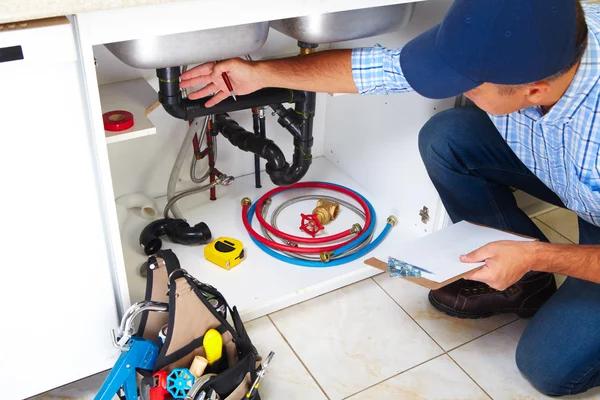
Regular maintenance is crucial for keeping your plumbing system efficient. Schedule annual inspections with a professional plumber to identify any potential issues before they become major problems. Regularly check for leaks under sinks or around toilets as even small leaks can lead to wastage of gallons of water over time.
Insulating your pipes is another effective way to enhance efficiency. Insulated pipes maintain the temperature of hot water as it travels from the heater to its destination, reducing energy consumption required for reheating cooled-off water. This not only improves energy efficiency but also reduces waiting time for hot water at taps.
Smart technology offers innovative solutions for modern plumbing systems. Consider investing plumbers in quincy, ma smart leak detectors which alert you via smartphone notifications if they sense moisture where it shouldn’t be—potentially preventing costly damage from undetected leaks or bursts.
Water softeners can be beneficial if you live in an area with hard water that contains high levels of minerals like calcium and magnesium. Hard water can cause scale buildup inside pipes, restricting flow and reducing efficiency over time while also affecting appliance performance negatively.
Furthermore, adopting mindful habits contributes significantly towards maintaining an efficient system: avoid pouring grease down drains as it solidifies within pipelines causing clogs; dispose food scraps properly instead relying heavily upon garbage disposals which add unnecessary burden onto wastewater treatment processes; run dishwashers/washing machines only when full optimizing their use per cycle thereby conserving both electricity along with precious H2O resources simultaneously!
Educate yourself about emergency shut-off valves locations throughout home enabling prompt action during unforeseen circumstances such burst mains mitigating potential damages swiftly until professional assistance arrives onsite tackling root causes effectively thereafter ensuring minimal disruption overall household operations post-crisis resolution phase completion successfully achieved eventually too!
By implementing these smart tips into practice consistently across daily routines diligently followed up regularly monitoring progress made thus far periodically reviewing strategies adopted tweaking them wherever necessary based upon feedback received continuously improving outcomes desired achieving optimal results possible maximizing benefits derived sustainably long-term basis henceforth!