
Choosing the right air conditioner for your home involves careful consideration of several factors to ensure comfort, efficiency, and cost-effectiveness. The first step is understanding the size of the space that needs cooling. An air conditioner that is too small will struggle to cool the area adequately, leading to higher energy consumption and wear on the unit. Conversely, an oversized unit will cycle on and off frequently, reducing efficiency and potentially causing uneven cooling. Measuring the square footage of your room or rooms helps determine the appropriate cooling capacity, usually expressed in British Thermal Units (BTUs). Consulting with a professional or using online calculators can provide guidance tailored to your specific space.
Energy efficiency is another crucial aspect when selecting an air conditioner. Models with a high Seasonal Energy Efficiency Ratio (SEER) rating consume less electricity while maintaining performance. Investing in energy-efficient units may have a higher upfront cost but results in lower utility bills over time. Additionally, look for products labeled with ENERGY STAR certification as they meet strict energy-saving guidelines set by regulatory agencies.
The type of air conditioning system suitable for your home depends largely on installation possibilities and personal preferences. Central air conditioning systems are ideal for whole-house cooling if ductwork is already installed or planned during construction. These systems distribute cooled air evenly through vents but tend to be see more expensive initially than other options. Ductless mini-split systems offer flexibility by allowing individual temperature control in separate rooms without requiring ducts; they are often easier to install in existing homes lacking ductwork.
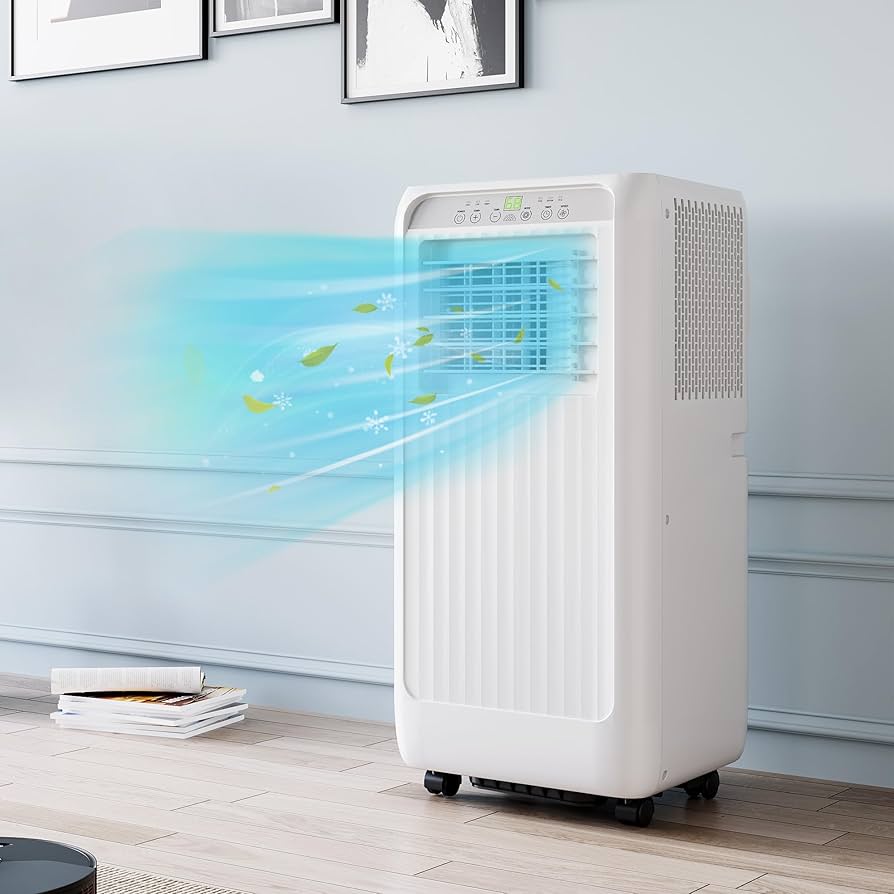
Window units remain popular due to their affordability and straightforward installation but are generally suited for single-room use rather than whole-home solutions. Portable air conditioners provide mobility but may be less efficient compared to fixed installations and require venting through windows or walls.
Noise levels should not be overlooked since quieter models contribute significantly to indoor comfort, especially in bedrooms or study areas where concentration matters most. Reading product specifications or reviews can help identify units known for low operational noise.
Maintenance requirements vary among different types of air conditioners as well; regular filter cleaning or replacement ensures optimal airflow and reduces allergens indoors while extending equipment lifespan.
Ultimately, choosing the right air conditioner entails balancing budget constraints with desired features such as capacity, energy savings, noise level, ease of installation, and maintenance needs so you can enjoy a comfortable living environment year-round without unnecessary expenses or inconvenience.