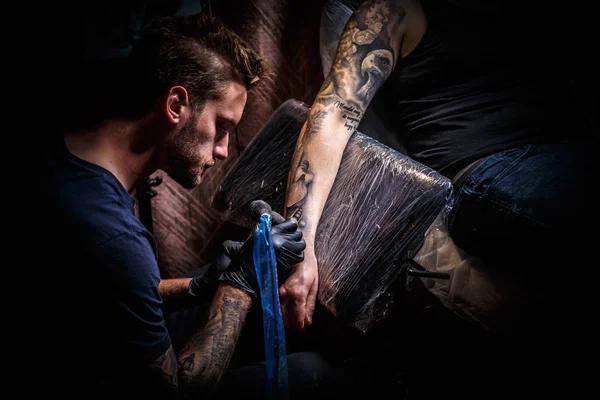
Artists who specialize in detailed tattoo work often undergo a meticulous preparation process to ensure that each piece is executed with precision and creativity. This preparation not only involves the technical aspects of tattooing but also requires mental and emotional readiness. Understanding this comprehensive approach offers insight into the dedication and skill required to produce intricate body art.
To begin, artists must conceptualize the design, which often starts with a consultation between the artist and client. During this meeting, they discuss ideas, themes, and personal significance of the desired tattoo. Artists listen carefully to capture their client’s vision while offering professional advice on feasibility and placement based on anatomy. Once an idea is solidified, artists create preliminary sketches or digital mock-ups that serve as blueprints for the final piece.
The choice of tools plays a crucial role in preparing for detailed work. Tattoo machines vary significantly; coil machines are known for their power and precision, making them suitable for fine lines and shading necessary in detailed tattoos. Rotary machines offer versatility with smoother operation ideal for consistent line work over prolonged sessions. Needle selection is equally important—artists choose configurations that best suit specific techniques such as lining or shading.
In addition to equipment considerations, artists view our page pay close attention to hygiene standards. They meticulously sterilize all instruments before each session to prevent infection risks—a practice governed by strict health regulations across many regions worldwide. Disposable gloves, needles, ink caps, and barriers are essential components ensuring safety throughout the process.
Physical preparation extends beyond tools; artists must prepare themselves mentally as well. Detailed tattoos require extended periods of intense focus—sometimes lasting several hours—which can be physically demanding both on clients receiving tattoos and artists performing them.