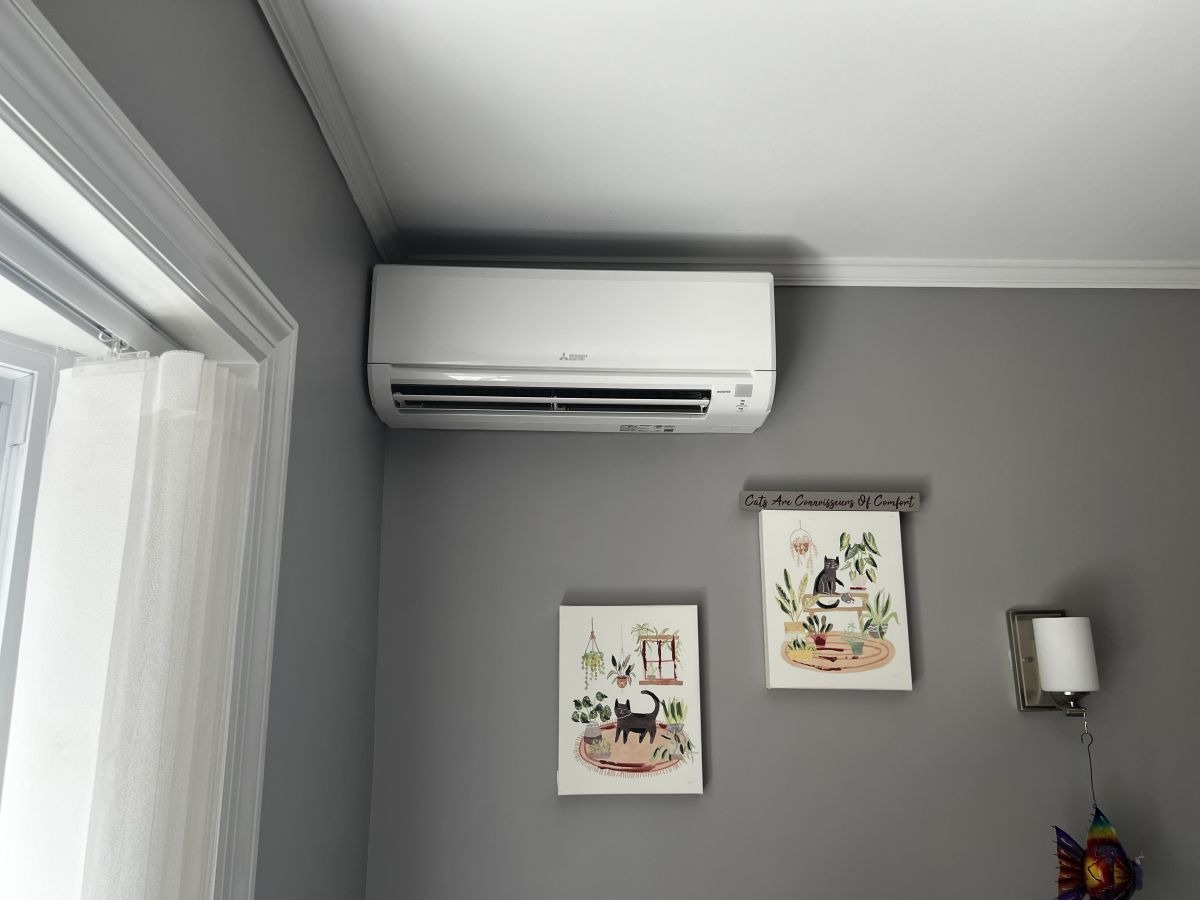
When faced with issues in a mini split system, homeowners often find themselves weighing the decision between repair and replacement. Mini splits are popular for their energy efficiency and ability to provide targeted heating and cooling, but like any mechanical system, they can experience wear and tear over time. Understanding when to opt for repair versus replacement is crucial for maintaining comfort while managing costs effectively.
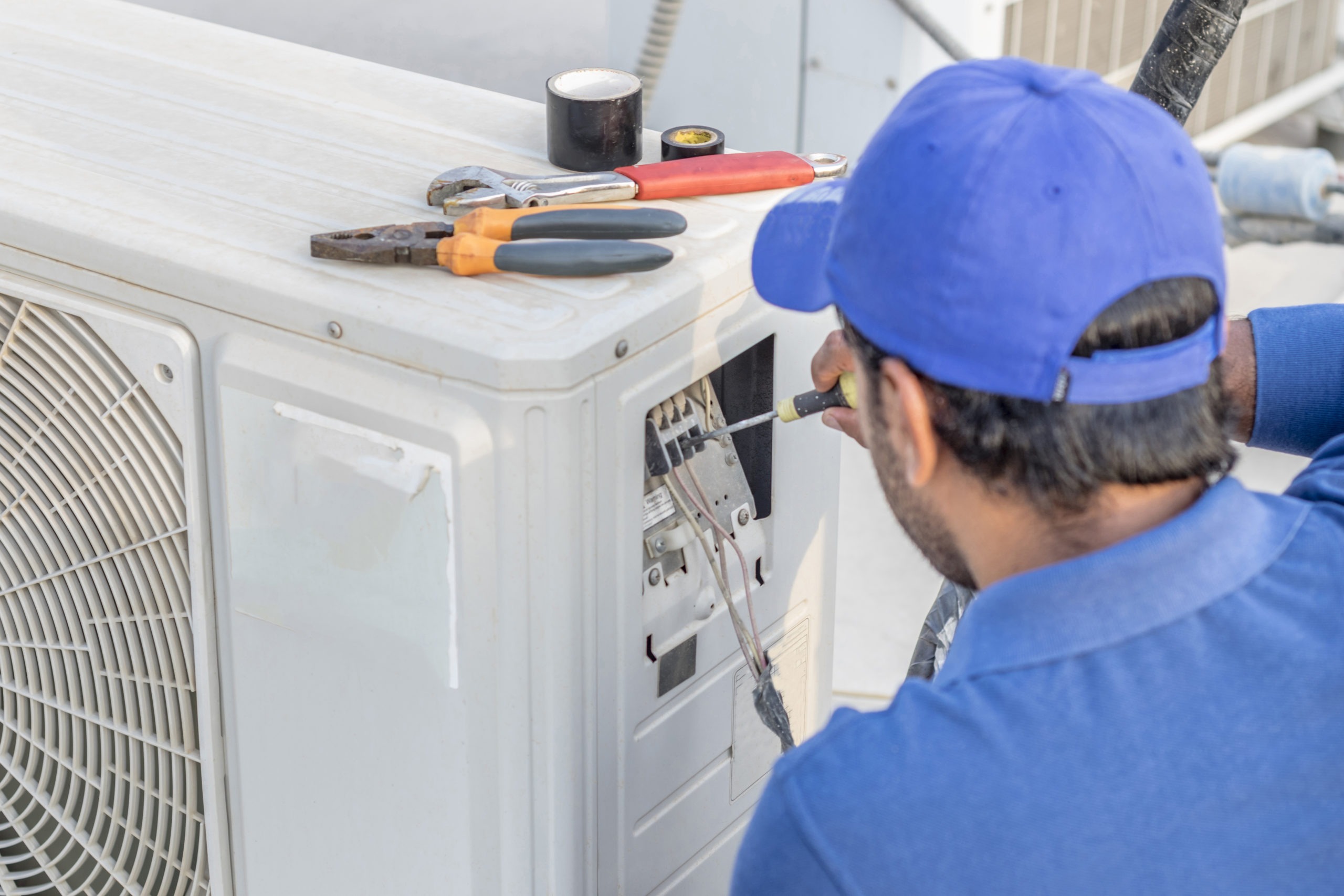
Repairing a mini split can be a practical choice if the problem is minor or isolated. Common repairs include fixing refrigerant leaks, replacing faulty thermostats, cleaning clogged filters, or addressing electrical malfunctions. These fixes usually come at a lower cost compared to installing an entirely new unit and can extend the life of the system by several years. Repair is especially advisable if the unit is relatively new or has been well maintained because newer systems tend to incorporate advanced technology that improves efficiency and air quality.
However, there are situations where replacement might be more beneficial than repair. If the Mini Split unit frequently requires repairs or suffers from major component failures such as compressor breakdowns or significant refrigerant leaks that indicate underlying damage, investing in a new system could save money in the long run. Older units may also lack modern features that contribute to better energy savings and environmental performance. Replacing an outdated mini split with a current model can reduce utility bills due to improved efficiency standards mandated by recent regulations.
Another factor influencing this decision is warranty coverage. Many manufacturers offer warranties that cover parts and labor for certain periods after purchase. If your unit is still under warranty, repairing it might involve minimal out-of-pocket expenses compared to paying full price for replacement parts or service calls on an older device without coverage.
Energy consumption should not be overlooked when considering repair versus replacement either. Mini splits installed more than ten years ago often consume more electricity than newer models designed with cutting-edge inverter technology that adjusts compressor speed based on demand instead of running constantly at full capacity.
Ultimately, consulting with a qualified HVAC technician will provide valuable insights tailored to your specific situation. They can assess the extent of damage, estimate repair costs versus installation fees for new equipment, evaluate energy efficiency improvements available through upgrades, and guide you toward making an informed choice aligned with your budget and comfort needs.
Choosing between repairing or replacing a mini split depends on factors like age of the unit, frequency of breakdowns, cost-effectiveness of repairs relative to replacements, warranty status, technological advancements in newer models as well as anticipated energy savings over time rather than immediate expense alone. By carefully evaluating these aspects alongside professional advice from experts familiar with your particular system’s condition ensures you make a smart investment supporting both short-term convenience and long-term reliability in home climate control solutions.