Diagnosing an air conditioning (AC) system that runs without providing cool air can be a perplexing issue for many homeowners. However, by systematically checking various components of the system, one can often identify and resolve the problem without needing professional assistance.
First and foremost, it’s essential to ensure that the thermostat is set correctly. It should be on the ‘cool’ setting with a temperature lower than the current room temperature. Sometimes, simple user errors like incorrect settings or dead batteries in a digital thermostat can prevent an AC unit from cooling efficiently.
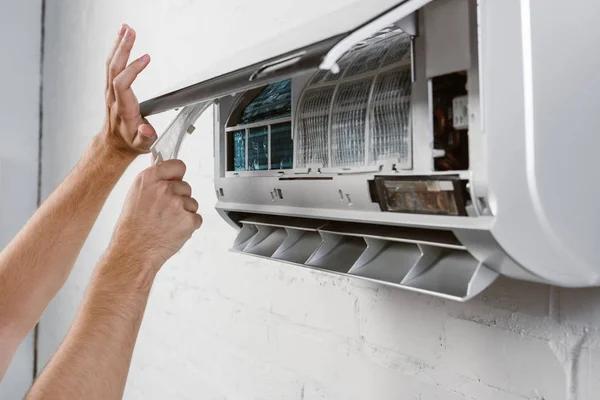
If the thermostat settings are correct, proceed to inspect the air filter. A clogged or dirty filter restricts airflow over the evaporator coils, causing them to freeze and hinder cooling performance. Replacing or cleaning filters regularly—typically every 1-3 months depending on usage—is crucial for maintaining optimal airflow and efficiency.
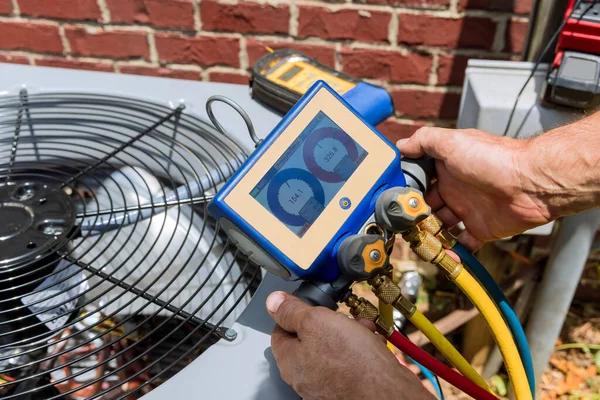
Next, examine both indoor and outdoor units for any visible issues. The outdoor condenser unit should be free of debris such as leaves or dirt that could obstruct airflow around its fins. Additionally, ensure there is at least two feet of clearance around it to facilitate proper ventilation.
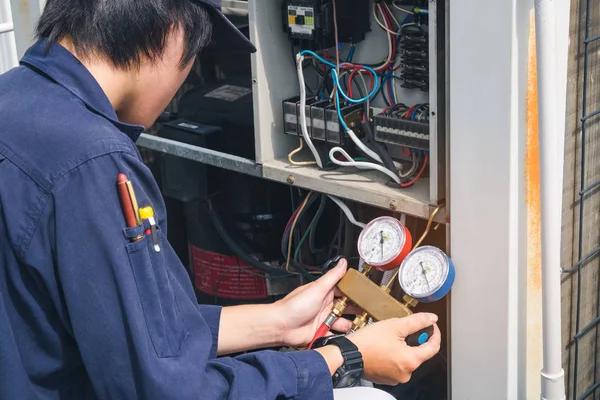
Another potential cause could be refrigerant levels being too low due to leaks within the system. Low view website refrigerant not only reduces cooling capacity but also puts additional strain on other components like compressors which may lead to costly repairs if left unchecked over time. If you suspect this might be an issue based on hissing sounds near linesets/evaporators (indicating leaks), consulting with licensed HVAC technicians becomes necessary since handling refrigerants requires specialized training & equipment under EPA regulations.
Moreover; verify whether there’s any ice buildup along copper lines leading into your house from outside compressor/condenser units—a sign indicating frozen evaporator coils caused either by restricted airflow mentioned earlier OR malfunctioning blower fans inside furnace assemblies themselves responsible moving conditioned air throughout living spaces effectively during operation cycles thereby preventing icing conditions altogether!
Lastly don’t forget electrical connections: loose wires/disconnected terminals sometimes result intermittent power supply failures affecting normal functioning capabilities overall! Ensure all wiring harnesses remain securely fastened especially those associated high voltage circuits powering main motors/compressors etc., double-check breaker panels/fuses ensuring nothing tripped accidentally disabling critical systems unknowingly perhaps while performing routine maintenance tasks elsewhere property grounds inadvertently disrupting service continuity unexpectedly until restored back original working order promptly thereafter avoiding unnecessary downtime inconveniences altogether!
In conclusion; diagnosing non-cooling AC requires thorough examination several factors ranging simple fixes complex technical interventions depending root causes identified upon careful inspection steps outlined above ultimately determining appropriate course actions needed restoring full operational capacities once again satisfactory comfort levels achieved desired expectations met consistently reliably long-term basis moving forward successfully!