
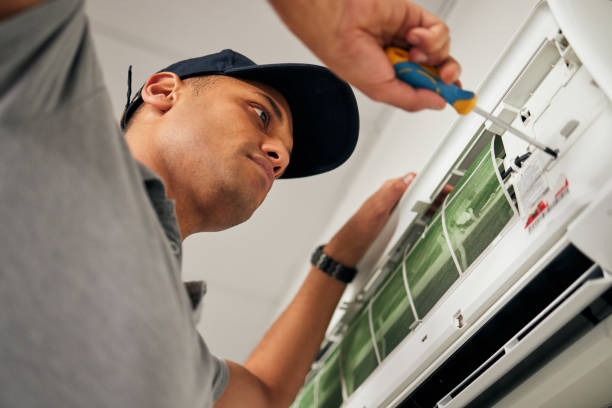
Advanced HVAC systems are revolutionizing the way we manage indoor air quality, particularly in reducing allergens that can cause discomfort and health issues. These innovative systems incorporate a range of technologies designed to enhance air filtration and purification, ensuring cleaner and healthier indoor environments.
One of the primary ways advanced HVAC systems reduce indoor allergens is through improved filtration methods. High-efficiency particulate air (HEPA) filters are often used in these systems to capture microscopic particles such as pollen, dust mites, pet dander, and mold spores. HEPA filters are capable of trapping up to 99.97% of airborne particles as small as 0.3 microns, making them highly effective at removing common allergens from the air.
In addition to HEPA filters, many advanced HVAC systems utilize ultraviolet (UV) light technology to further purify the air. UV lights are installed within the system’s ductwork or near coils where they can effectively neutralize bacteria, viruses, and mold spores by disrupting their DNA structure. This not only reduces allergen levels but also helps prevent microbial growth on cooling coils and other components of the system.
Another feature contributing to allergen reduction is enhanced ventilation control. Advanced HVAC systems often include energy recovery ventilators (ERVs) or heat recovery ventilators (HRVs), which visit our site facilitate better airflow while maintaining energy efficiency. These devices exchange stale indoor air with fresh outdoor air without losing heating or cooling energy, thereby diluting indoor pollutant concentrations including allergens.
Humidity control is another critical aspect where advanced HVAC systems excel in reducing allergens. Many modern units come equipped with integrated humidifiers and dehumidifiers that maintain optimal humidity levels indoors. Keeping humidity between 30% and 50% helps inhibit dust mite proliferation and mold growth—two significant sources of indoor allergens.
Moreover, some cutting-edge HVAC models incorporate smart technology for real-time monitoring of air quality parameters such as particulate matter levels or volatile organic compounds (VOCs). These smart features enable homeowners to receive alerts when allergen levels rise beyond acceptable thresholds so they can take timely action.
The integration of these various technologies makes advanced HVAC systems a powerful tool in combating indoor allergies effectively. By providing superior filtration capabilities along with UV purification, precise ventilation control, optimal humidity regulation—and even smart diagnostics—these state-of-the-art solutions ensure that homes remain comfortable sanctuaries free from harmful airborne irritants.
As awareness about the impact of poor indoor air quality continues to grow among consumers worldwide; investing in an advanced HVAC system represents not just an upgrade for comfort but also a proactive step towards safeguarding health by significantly reducing exposure to potential allergens indoors.