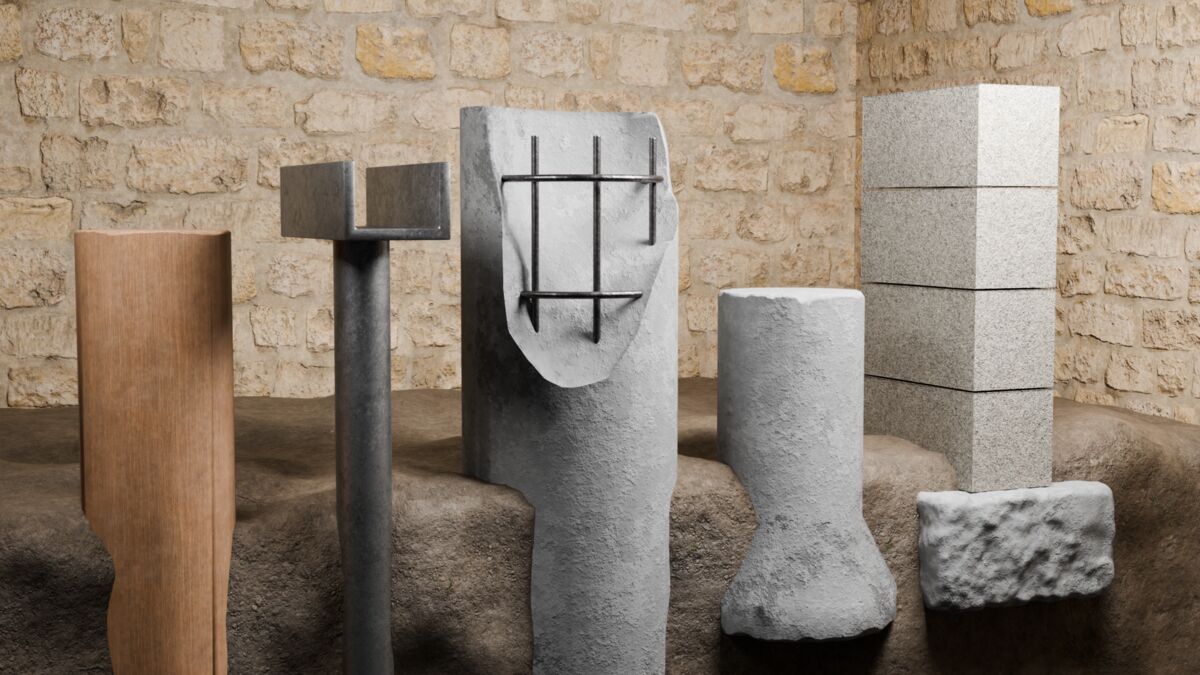
Foundation settlement is a critical concern in construction and civil engineering, often caused by various soil-related problems. When the ground beneath a structure cannot adequately support its weight, it leads to uneven or excessive settling, which can compromise the integrity of buildings. Understanding the soil conditions that contribute to accelerated foundation settlement is essential for designing durable foundations and preventing costly repairs.
One common issue arises from expansive clay soils, which undergo significant volume changes with moisture fluctuations. These soils swell when wet and shrink during dry periods, causing repeated upward and downward movements of the foundation. This cyclical behavior induces stress on structural elements and accelerates settlement over time. Structures built on such soils without proper mitigation measures are particularly vulnerable to cracking walls and misaligned doors or windows.
Another factor contributing to rapid foundation settlement is loose or poorly compacted fill material beneath a building site. Fill that has not been adequately consolidated may compress under load, resulting in uneven sinking of explore the offerings foundation. This problem often occurs in urban areas where land reclamation or previous excavation work has disturbed natural soil layers. Without thorough compaction or stabilization before construction, these sites experience differential settlement that damages structural components.
Soil erosion also plays a significant role in undermining foundations by removing supporting material around footings and slabs. Water flow from heavy rainfall or improper drainage systems can wash away fine particles within the soil matrix, creating voids beneath foundations. Over time, this loss of support causes portions of the structure to settle more rapidly than others, leading to tilting or cracking.
Highly organic soils containing decomposable materials like peat present additional challenges for foundation stability. As these organic contents break down over years, they reduce soil volume and strength below structures resting upon them. The gradual decay process results in subsidence that continues long after initial construction unless specialized foundation techniques are employed.
Furthermore, high groundwater levels influence soil bearing capacity negatively by increasing pore water pressure within saturated zones under foundations. Elevated water tables reduce effective stress between soil particles making them less capable of supporting loads efficiently; this condition promotes faster consolidation settlements especially in fine-grained sediments such as silts and clays.
In conclusion, several interrelated soil problems accelerate foundation settlement including expansive clays prone to moisture-induced volume changes, loosely compacted fills susceptible to compression under load, erosion processes washing away crucial support material around footings, organic-rich soils undergoing decomposition-driven subsidence and elevated groundwater reducing effective soil strength through increased pore pressures. Proper site investigation combined with appropriate engineering solutions tailored toward these specific issues is vital for ensuring long-lasting structural performance without premature damage caused by accelerated settling phenomena linked directly to underlying problematic soils.