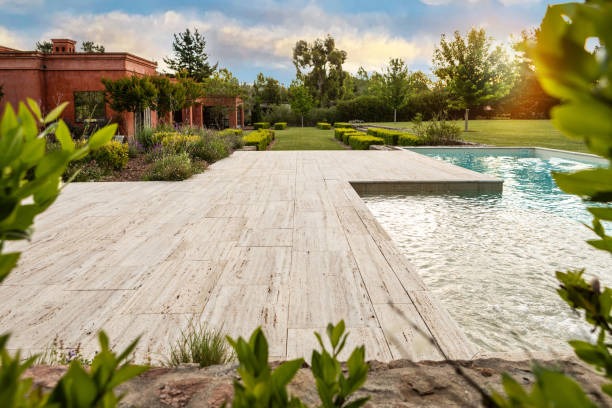
Designing a custom pool is an exciting endeavor that can transform any backyard into a personal oasis. However, the process involves more than simply choosing shapes and materials; it requires meticulous site evaluation to ensure that the pool integrates seamlessly with its surroundings. Understanding how site evaluation impacts custom pool design and layout is crucial for creating a functional and aesthetically pleasing aquatic retreat.
Site evaluation begins with an assessment of the property’s topography. The natural contours of the land will significantly influence both the design and placement of the pool. For instance, a sloped yard might necessitate additional structural support or creative landscaping solutions to accommodate a level swimming area. Conversely, flat terrains offer more flexibility in terms of shape Nassau Pools and Spas size but may require extensive excavation work to achieve desired depths.
Another critical aspect of site evaluation is soil analysis. The type of soil on which the pool will be constructed plays a vital role in determining its stability and longevity. Soil with high clay content can expand or contract with moisture changes, potentially leading to cracks or structural issues over time. Therefore, understanding soil composition helps in selecting appropriate construction techniques and materials that mitigate such risks.
Climate considerations also factor heavily into custom pool design decisions during site evaluations. Regions prone to heavy rainfall may require efficient drainage systems around the pool area to prevent water accumulation and potential flooding damage. In contrast, areas experiencing high temperatures might benefit from incorporating shaded sections within the design or using materials known for their heat-reflective properties.
Moreover, zoning laws and local regulations must be thoroughly examined as part of site evaluation before proceeding with any construction plans. These rules dictate permissible distances from property lines, safety features like fencing requirements, and even restrictions on certain types of installations based on environmental impact concerns.
The orientation relative to sunlight exposure is another essential criterion during site evaluation that affects both usability and maintenance aspects of custom pools. A well-positioned pool maximizes sun exposure throughout daylight hours while minimizing shadows cast by nearby structures or trees—enhancing user comfort while reducing heating costs associated with maintaining optimal water temperature levels naturally through solar gain.
Finally, existing utilities such as plumbing lines or electrical conduits need careful consideration when evaluating prospective sites for new pools since relocating these elements could add significant costs if not planned accordingly beforehand.
In conclusion, comprehensive site evaluations are indispensable steps towards successful custom pool projects because they inform every subsequent decision regarding design choices tailored specifically according each unique setting’s challenges—and opportunities—ensuring harmonious integration between man-made luxury amenities amidst nature’s inherent beauty all around them!